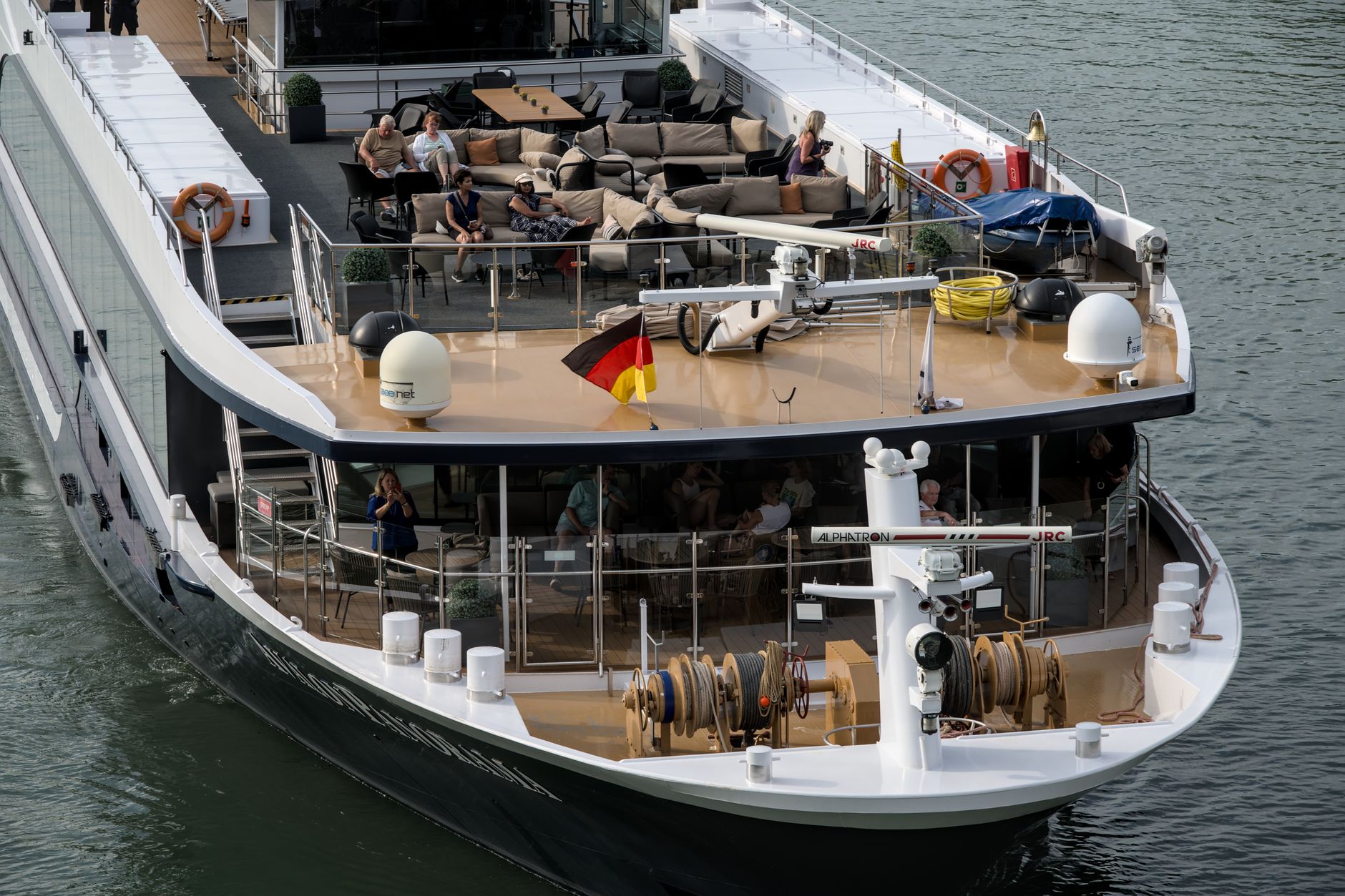
What a Viking River Cruise in Germany and Beyond Feels Like
When people search for a viking river cruise germany itinerary, they are usually imagining the kind of journey that follows a river through the heart of a country rather than skirting a coastline. That is the essence of this style of travel. Instead of long stretches of water with nothing to see, you move through a changing ribbon of farmland, forest, vineyard terraces, castles on the hills and old towns that grew up around the trade these rivers once carried.
Germany is a natural home for this kind of trip because so much of its history sits right along the water. A river cruise there tends to pass a mix of lively cities and quiet villages, and because the ship moves slowly and stays close to land, the scenery becomes part of the experience rather than something you only glimpse from a high deck far out at sea.
The appeal, in plain terms, is closeness. You are near the water, near the towns and often near the centre of wherever you dock.
How a River Cruise Differs From an Ocean Cruise
The simplest way to understand a river cruise is to think of everything an ocean cruise is, and then make it smaller and calmer. Ocean ships are large floating resorts with many decks, large crowds and days spent entirely at sea. River vessels are long and low, carry far fewer people and almost never spend a full day out of sight of land.
A few practical differences stand out:
- The water is usually calm, so motion sickness is far less of a concern than on the open ocean.
- Ports are often right in or beside a town centre, so you can frequently walk off the ship and straight into the place you came to see.
- The onboard atmosphere is quieter and more social, since there are fewer passengers and less need for big entertainment venues.
- Scenery is near constant, as the river winds past towns and countryside rather than stretching to an empty horizon.
If you have cruised the ocean before and found the ship itself to be the main event, a river cruise flips that. Here, the ship is more of a comfortable base, and the destinations are the point. If you are weighing the two styles, you can always reach out and we can help you think through which suits you better.
Routes, in General Terms
River routes follow the shape of the waterway, so an itinerary is really a string of towns laid out along a single river or a connected system of rivers and canals. In Europe, this often means tracing a historic river through several regions, and sometimes crossing between countries without ever leaving the ship.
A typical route links a handful of notable towns with smaller stops in between. You might pass through stretches famous for their vineyards, past ruined and restored castles, and into cities where the old centre sits within easy reach of the dock. Because the ship moves mostly overnight or during quieter parts of the day, you tend to wake up somewhere new fairly often.
It helps to think in terms of regions rather than exact miles. Some sections of river are prized for dramatic scenery, where hills rise steeply on either side. Others are gentler and more pastoral. A good itinerary usually balances the two, giving you both the big, memorable views and the smaller, human scale towns where you can wander without a crowd.
Routes also vary by season. Spring and autumn tend to be comfortable for walking and sightseeing, summer is warmer and busier, and the colder months bring a different, cosier mood to many river towns. The best time to go depends on what you want from the trip, and we are happy to talk that through with you.
Cabin Life
Cabins on river vessels are designed for comfort and practicality rather than sprawling space. Because the ship is narrow, rooms are generally efficient and well organized, with the essentials close at hand. Many cabins are positioned to make the most of the view, since the scenery is such a large part of the appeal.
What you will usually find is a comfortable bed, a private bathroom, storage for your belongings and a window or opening of some kind that lets you watch the shore drift past. Higher cabins often offer a more open view, while lower ones tend to sit closer to the water. The exact layout varies from vessel to vessel, so it is worth confirming the specifics of any particular sailing before you picture it in detail.
The thing to keep in mind is that you will not spend much of your waking time in the cabin. River cruising pulls you out into public lounges, onto the upper deck and off the ship into town. The cabin is a restful place to sleep and freshen up rather than a destination in itself. Packing light serves you well, since storage is sensible rather than enormous.
The Pace of a Day
A day on a river cruise tends to have a comfortable rhythm. Mornings often begin with the ship already docked or arriving somewhere, so you can head ashore after breakfast for a guided walk or some time exploring on your own. Afternoons might bring more sightseeing, a scenic stretch of sailing, or simply time to relax on board and watch the landscape go by.
Meals are a steady anchor to the day, usually served at set times in a shared dining space, with a lounge for quieter moments and a drink in the evening. Because the group is small, the atmosphere is relaxed and conversational, and it is easy to fall into a routine that feels less like a packed tour and more like a slow journey with good company.
A Gentle, Unrushed Feel
One of the quiet pleasures of this style of travel is that you are rarely racing the clock. The ship handles the logistics of moving you from place to place, often overnight, so you are not spending your days on long transfers or hunting for the next hotel. You unpack once, and the destinations come to you.
That said, the pace is flexible. If you want to be busy, there are usually walks and excursions to fill your time. If you would rather slow down, you can skip an outing, stay aboard and enjoy the view from the deck. This balance is part of why river cruising appeals to people who like structure but do not want every hour planned for them.
Who It Suits
River cruising tends to suit travellers who care more about places than about onboard thrills. If you love history, scenery, small towns and a relaxed, social setting, this style of travel fits well. It is a good match for people who prefer not to repack their bags every couple of days and who appreciate having guides, meals and transport taken care of.
It also appeals to those who find big ocean ships overwhelming. The smaller scale means fewer crowds, gentler movement on the water and a more intimate feel. Couples, friends travelling together and solo travellers who enjoy meeting others all tend to find their footing on a river cruise.
It is less suited to anyone looking for high energy nightlife, large scale entertainment or a trip built around onboard activities. The focus here is the journey and the destinations, not the ship as a resort. If you are not sure whether it is the right fit, browsing our range of trips can help you compare this style with the group tours and ocean sailings we also work with.
How a Hosted Group River Cruise Typically Works
A hosted group trip adds a layer of care and companionship to the whole experience. In general terms, a host travels with the group to help things run smoothly, answer questions and bring people together, which can make a world of difference if you are travelling solo or joining a group where you do not know everyone.
Typically, the planning, bookings and the main pieces of the itinerary are arranged in advance, so you arrive with the big decisions already made. The host often helps coordinate arrivals, keeps the group informed and acts as a friendly point of contact throughout. For many travellers, this takes the stress out of a trip abroad and leaves more room to simply enjoy it.
A hosted group also tends to have a warm, social spirit. Shared meals, group excursions and time to relax together can turn a collection of strangers into a comfortable travelling community by the end of the journey. If you like the idea of a river cruise but would rather not sort out every detail yourself, this is often the easiest way in.
If a river cruise sounds like your kind of trip, we can help you plan the details and match you with an itinerary that fits. Have a look at our current trips or get in touch through our contact form to start the conversation.
Frequently asked questions about Viking
What is a Viking river cruise?
A Viking river cruise carries travellers along inland waterways aboard long, slim vessels that glide close to the towns and landscapes along the banks. It trades the scale of the open sea for a gentler, scenery first way of travelling.
How does a Viking river cruise differ from an ocean cruise?
A Viking river cruise is smaller and calmer than an ocean cruise. The water is usually calm, ports are often right in or beside a town centre, and the ship rarely spends a full day out of sight of land.
What is a Viking river cruise in Germany like?
A Viking river cruise in Germany tends to follow a river through the heart of the country, passing a mix of lively cities and quiet villages. So much of Germany's history sits right along the water, so the scenery becomes part of the experience.
What are cabins like on a river cruise?
Cabins on river vessels are efficient and well organized, with a comfortable bed, a private bathroom, storage and a window to watch the shore. You will not spend much of your waking time there, so packing light serves you well.
Who does a river cruise suit?
River cruising suits travellers who care more about places than onboard thrills and who love history, scenery and small towns. It is less suited to anyone looking for high energy nightlife or large scale entertainment.
How does a hosted group river cruise work?
A host travels with the group to help things run smoothly, answer questions and bring people together. The planning, bookings and main pieces of the itinerary are arranged in advance, so you arrive with the big decisions made.
Thinking about Viking?
Tell us who is travelling and roughly when, and our team will help you work out the right trip.