Destination
Caribbean: Travel Guide
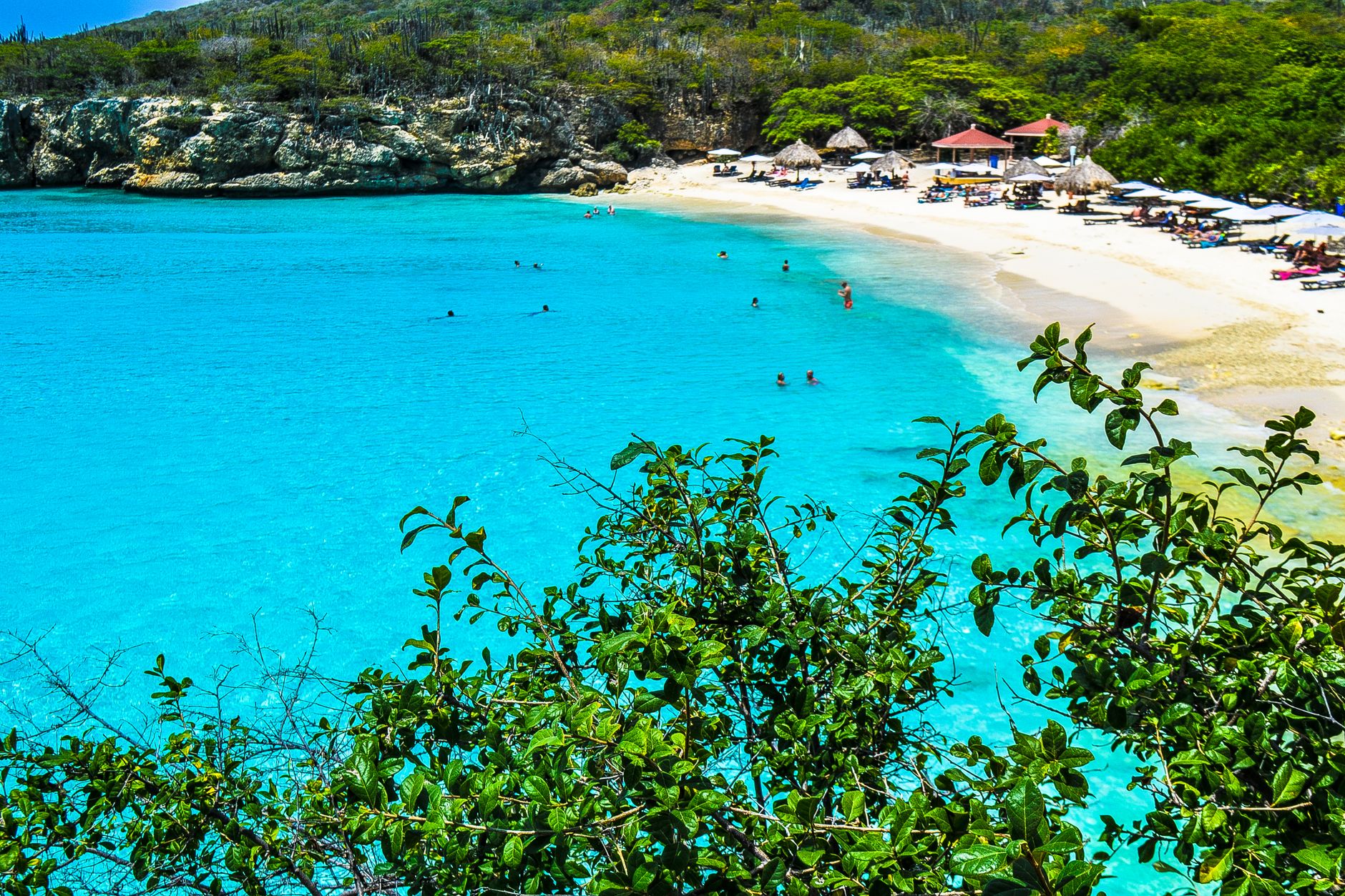
Caribbean is a region of turquoise sea and lush islands stretching from the warm waters near Florida down toward the coast of South America, taking in places such as Jamaica, the Bahamas, the Dominican Republic, and the smaller islands of the Lesser Antilles. It is a cruise region in the world, prized for its beaches, easy island hopping, and relaxed pace, and it is a natural fit if you are considering a cruise with Royal Caribbean or any of the other cruise lines Royal Caribbean competes with for your holiday dollars. For Canadians escaping a long winter, a Caribbean cruise is often the simplest way to see several islands without having to plan every stop yourself.
Plan your Caribbean trip with a real travel advisor
Hosted group trips, river and ocean cruises, and singles getaways with real travel advisors.
Why Choose a Royal Caribbean Cruise Caribbean Getaway
There is a reason the phrase "royal caribbean cruise caribbean" shows up so often in holiday searches. Pairing a well known cruise line with this region gives you a single, comfortable base, your ship, while the destinations change around you. You unpack once, and each morning brings a new island, a new beach, or a new harbour town to explore.
A few reasons this region keeps pulling people back:
- Warm water and steady breezes make outdoor time comfortable for most of the year.
- Cruising lets you sample several cultures, cuisines, and landscapes on one trip, which suits travellers who like variety but do not want to pack and unpack constantly.
- Group and hosted trips work particularly well here, since everyone can choose their own pace on shore while still sharing meals, excursions, or evenings together on board.
If you have already looked at a royal caribbean cruise international style holiday for the Mediterranean or elsewhere, the Caribbean version tends to feel more laid back, with a stronger emphasis on beach time and island culture than on long sightseeing days.
Neighbourhoods and Regions Worth Knowing
The Caribbean is not one place but a long chain of island groups, and understanding the basic geography helps when you are picking a cruise route or comparing itineraries.
The Greater Antilles
This is the larger, more mountainous part of the region, including islands such as Jamaica, the Dominican Republic, and Puerto Rico. Expect bigger towns, more developed infrastructure, and a mix of beach resorts with historic centres that reward a short walk inland.
The Lesser Antilles
Running in a long arc further east and south, these smaller islands, Barbados, St. Lucia, Antigua, and their neighbours among them, tend to feel more intimate. Many were shaped by different European colonial histories, which shows up in the architecture, language, and local cuisine from one island to the next.
The Bahamas and Turks and Caicos
Lying closer to Florida, this cluster is known for shallow, extremely clear water and some of the most photographed beaches in the Caribbean. These islands are a common first or last stop on many cruise itineraries because they are easy to reach by sea.
Most cruise routes, including many sailing under cruise lines Royal Caribbean operates, combine a few of these regions into a single trip, giving you a sampler rather than asking you to choose just one island for your whole holiday.
What to Do Once You Arrive
The appeal of the Caribbean is as much about slowing down as it is about ticking off sights, but there is plenty to fill your days on shore.
Popular options include:
- Spending an afternoon on a beach known for calm, swimmable water, which is an easy way to start if you are new to the region.
- Snorkelling or diving over coral reefs, many of which sit close enough to shore that you do not need a long boat ride to reach them.
- Wandering a port town's historic centre, where pastel buildings, old forts, and small museums often sit within easy walking distance of the dock.
- Trying a rum distillery tour, since several islands have a long history of producing rum and are happy to share it with visitors.
- Taking a short excursion inland to a waterfall, rainforest trail, or botanical garden, a nice contrast to all that beach time.
If you enjoy comparing cultures on a single trip, the variety here is similar in spirit to island hopping in the Mediterranean, the kind of contrast you would also find looking at our Turkey guide for coastal towns with very different histories side by side.
Food and Drink to Look Forward To
Caribbean food reflects the region's long, layered history, with West African, European, Indian, and Indigenous influences all showing up on the plate. You will find dishes built around fresh fish and seafood, plantains, rice and beans, and a generous use of spice that varies from mild to properly fiery depending on the island.
Jerk seasoning, slow cooked meats, and tropical fruit are common threads across several islands, while rum remains the drink most closely tied to the region, whether sipped neat, mixed into a punch, or poured over dessert. Street food stalls near cruise ports are often a good, low pressure way to try local flavours without committing to a full sit down meal, though many port towns also have relaxed restaurants right along the waterfront if you would rather take your time.
When to Go, in General Terms
The Caribbean has a fairly consistent warm climate year round, which is part of why it works so well as a winter escape for Canadians. In general terms, there are two broad patterns to keep in mind.
The drier, more settled season tends to bring calmer seas and steadier weather, which is why it is the busiest stretch for cruise travel and tends to book up fastest. The wetter season brings a higher chance of short, heavy showers and a greater likelihood of tropical storms later in that stretch, though ships and itineraries are planned with this in mind and routes can be adjusted as needed. If flexibility matters to you, travelling during the shoulder periods between these two seasons can offer a good balance of lighter crowds and still reasonably settled conditions.
Getting Around
Once you are off the ship, most Caribbean ports are designed with cruise visitors in mind, so getting around is usually straightforward. Taxis and organized shore excursions are the easiest way to reach beaches, waterfalls, or historic sites that sit a little further from the dock, and many ports have a cluster of shops, cafés, and markets within easy walking distance for those who would rather stay close.
Between islands, you are typically moving by ship rather than by air, which is part of the appeal of a Caribbean cruise. There is no need to repack or deal with separate flights for each stop, since your cabin travels with you from one island to the next. Local ferries exist between some neighbouring islands as well, useful if you are extending a trip before or after your cruise.
Who This Destination Suits
The Caribbean is a flexible destination that works for a wide range of travellers. Couples looking for a relaxed, beach forward getaway will find plenty of quiet corners, while groups of friends or extended family often enjoy the mix of shared activities on board and free time to explore on shore. Singles travelling on their own tend to appreciate how social a cruise environment can be, with shared excursions, communal dining, and evening entertainment making it easy to meet other travellers.
It also suits people who want variety without complicated logistics, since the destination essentially comes to you, one island at a time. If you have enjoyed warm weather trips to Mexico or the beach towns along Turkey's coast, the Caribbean offers a similar sense of ease, with the added appeal of waking up somewhere new each morning.
How a Hosted Group Trip Here Typically Works
A hosted group trip to the Caribbean generally centres around a cruise itinerary, with a host or group leader there to help things run smoothly from the moment you arrive at the ship to the day you disembark. Rather than each traveller sorting out excursions, dining times, or shore plans on their own, a host can help coordinate shared activities, answer questions along the way, and make sure everyone in the group feels looked after.
In practice, this usually means a mix of time together, such as group excursions, shared meals, or an evening gathering, and time apart to explore at your own pace, whether that is a quiet afternoon on deck or an independent walk through a port town. This structure tends to appeal to solo travellers who want built in company, as well as to groups of friends or family members who like having some things planned and other hours left open.
If a Caribbean cruise sounds like the right fit for your next getaway, we can help you plan the details, from choosing an itinerary that matches your interests to figuring out how a hosted or group departure might work for you. Browse our current packages for ideas, or reach out through our contact page and we can start working out what a trip to the Caribbean could look like for you and your travel companions.
Frequently asked questions about Caribbean
What islands are included in the Caribbean?
The Caribbean includes larger islands like Jamaica, the Dominican Republic, and Puerto Rico in the Greater Antilles, smaller islands such as Barbados, St. Lucia, and Antigua in the Lesser Antilles, and the Bahamas and Turks and Caicos closer to Florida. Most cruise itineraries combine a few of these regions into one trip.
Is a Royal Caribbean cruise a good way to see the Caribbean?
Yes, pairing a well known cruise line with this region gives you one comfortable base while the islands change around you each day. It suits travellers who want variety on shore without the hassle of separate flights or hotels between stops.
When is the best time to visit the Caribbean?
The drier season tends to bring calmer seas and steadier weather and is the busiest time for cruising, while the wetter season brings more short showers and a higher chance of storms later on. Shoulder periods between the two can offer lighter crowds with still reasonably settled conditions.
How do you get around once you are off the cruise ship?
Most Caribbean ports are set up for cruise visitors, so taxis and organized shore excursions easily reach beaches or sites further out, while shops and cafés near the dock are often walkable. Between islands you generally travel by ship, so there is no repacking or separate flights.
Who is a Caribbean cruise best suited for?
It suits couples wanting a relaxed beach getaway, groups or families who like a mix of shared and independent time, and solo travellers who enjoy the social nature of shared excursions and communal dining on board.
Thinking about Caribbean?
Tell us who is travelling and roughly when, and our team will help you work out the right trip.
Prefer another way to reach us?
Related guides
- DestinationNassauNassau is the capital of the Bahamas, a harbour city known for its turquoise water, colonial-era streets, and easy access to nearby cays and beaches.
- DestinationMediterraneanMediterranean is the sea and the surrounding coastline that stretches across southern Europe, North Africa, and the eastern shores near the Middle East, taki...
- DestinationEgyptEgypt is a country in northeastern Africa, home to the Nile River, the ancient pyramids of Giza, and a long stretch of coastline along the Red Sea and Medite...
- DestinationTurkeyTurkey is a transcontinental country that bridges Europe and Asia, known for its layered history, varied coastline, and cities where ancient and modern life...
- DestinationCosta RicaCosta Rica is a small Central American country bordered by Nicaragua to the north and Panama to the south, known for its rainforests, volcanoes, and coastlin...
- DestinationCozumelCozumel is an island in the Caribbean Sea off the eastern coast of Mexico's Yucatán Peninsula, known for its clear water, coral reefs, and relaxed island pace.