Destination
Mediterranean: Travel Guide
Mediterranean is the sea and the surrounding coastline that stretches across southern Europe, North Africa, and the eastern shores near the Middle East, taking in sun-washed islands, old port towns, and a string of countries each with their own food, language, and history. For travellers, "the Mediterranean" usually means a region to explore slowly, by land or by water, rather than a single place to visit. It's a destination that rewards both first-time travellers and people returning for a different corner of the coast.
Plan your Mediterranean trip with a real travel advisor
Hosted group trips, river and ocean cruises, and singles getaways with real travel advisors.
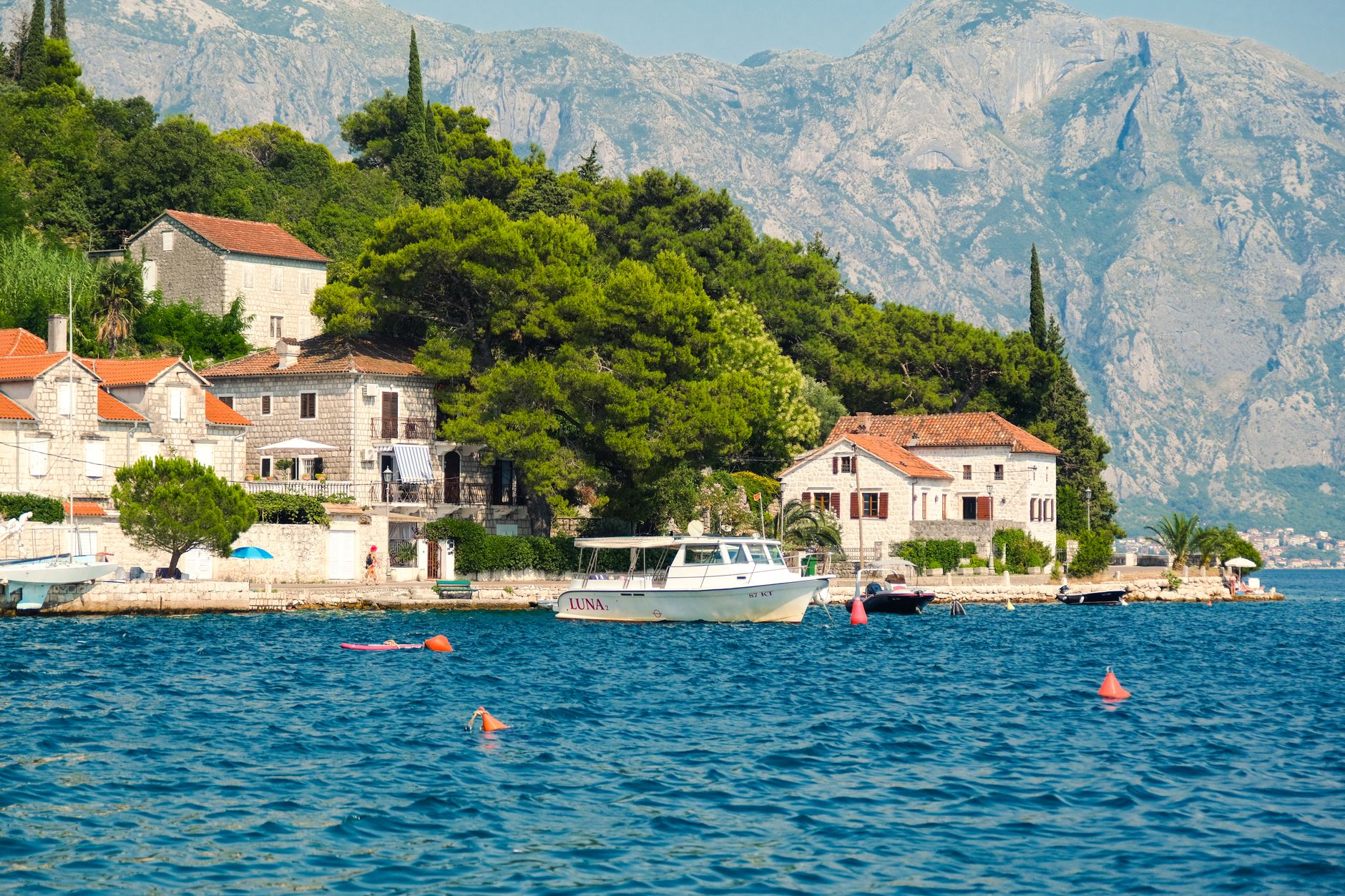
planning a Mediterranean vacation: why this coastline belongs on your list
The Mediterranean draws people back year after year because it offers so many versions of the same basic promise: good light, good food, and water the colour of nothing else. You can spend a morning wandering a hill town with laundry strung between balconies and an afternoon floating off a quiet cove, all without feeling like you're rushing between attractions. The pace tends to suit travellers who want their days built around meals, views, and conversation rather than a packed checklist.
It also suits a huge range of trip styles. Some travellers want history layered thick, old amphitheatres, ancient harbours, churches and mosques standing close together. Others want beach time, long lunches, and an evening stroll along a promenade. Because the region is so large and varied, a Mediterranean trip can be shaped around almost any interest, which is part of why it works well for group travel and for solo travellers joining a hosted trip alike.
neighbourhoods or regions worth knowing
The Mediterranean isn't one coastline, it's many, and getting a rough sense of the regions helps when you start comparing trip ideas.
- The western Mediterranean takes in the coasts of Spain and southern France, along with islands known for rocky coves, hill villages, and relaxed café culture.
- The central Mediterranean includes Italy's coastline and islands, where old port cities sit close to volcanic landscapes and quiet fishing towns.
- The eastern Mediterranean stretches toward Greece and its islands, known for whitewashed villages, ancient ruins, and some of the most photographed sunsets anywhere.
- The southern and North African shore includes destinations with their own distinct character and history; travellers drawn to this side of the sea often also look at our Egypt guide for a deeper dive into that region.
- The far eastern edge.
You don't need to pick a single region before you start planning. Many hosted trips and cruise itineraries are built specifically to link a few of these areas together, so you get variety without having to manage the logistics yourself.
what to do along the Mediterranean coast
The range of activities here is part of the appeal. Depending on which stretch of coast you choose, a typical day might include a visit to ruins that predate recorded history, a wander through a covered market, or simply time spent on a beach or a boat.
classic Mediterranean experiences to look for
- Walking through old town centres with narrow lanes, shuttered windows, and small squares built for lingering.
- Taking a boat out to a quieter cove or a smaller island for an afternoon swim.
- Sampling regional wine or spirits in a setting built around slow afternoons.
- Watching the evening light change over the water from a terrace, a seaside path, or the deck of a ship.
Many travellers also enjoy simply shifting between activity and rest, a morning of sightseeing followed by an afternoon with nothing on the agenda but the water. That balance is one reason the Mediterranean works so well as a cruise destination, since moving between ports by water lets you see several distinct places without the fatigue of frequent flights or long drives.
food and drink across the Mediterranean
Mediterranean food is less a single cuisine than a loose family of them, united by a few common threads: good olive oil, fresh vegetables, grilled fish, bread, and wine that's meant to be shared over a long meal. What changes is everything else. Coastal towns tend to lean heavily on whatever's caught that day, often prepared simply so the flavour of the fish speaks for itself. Inland villages often lean more on grains, cured meats, and slow-cooked dishes built for cooler evenings.
Markets are one of the best ways to get a feel for a place before you've eaten a single meal there. Stalls piled with produce, cheese, olives, and spices tell you a lot about regional character, and a lot of travellers find that wandering a market is as memorable as any formal meal. Street food culture is strong in many Mediterranean regions too, so don't feel you need to sit down for every meal to eat well.
Wine deserves a mention of its own. Several Mediterranean countries have been producing wine for a very long time, and tasting your way along a coastline, comparing a glass from one region to the next, is a pleasant way to spend an afternoon between sightseeing stops.
when to go, in general terms
The Mediterranean has a reputation for warm, dry summers and milder, wetter winters, which shapes how most travellers plan their visit.
Late spring and early autumn tend to be the sweet spot for many people, since the days are warm enough for beach time and sightseeing without the peak crowds or the most intense heat of midsummer. Midsummer itself is lively and festive, with the longest days and the busiest beaches, which suits travellers who want an energetic, social atmosphere and don't mind sharing popular spots with plenty of other visitors. Winter brings a much quieter, slower version of the region, better suited to travellers who prioritize history, food, and culture over beach days, since many coastal towns settle into a calmer rhythm once the main season ends.
There's no single "right" season, it depends on whether you're chasing beach weather, quieter streets, or a festival atmosphere.
getting around the Mediterranean
Because the Mediterranean spans so many countries and islands, getting around is part of the adventure, and there's no one right way to do it. Travellers generally combine a few different modes of transport depending on the trip.
Flying is usually the fastest way to connect distant regions, especially if you're covering more than one country. Ferries are a mainstay for island hopping, especially around Greece and parts of Italy, and they're often as much a part of the experience as the destinations themselves. Trains work well along certain coastlines where routes hug the water and the scenery becomes part of the journey. For many travellers, though, a cruise is the simplest way to see several Mediterranean destinations without having to rebook transport and accommodation at every stop, since the ship itself becomes your base while the ports change around you.
Within individual towns and cities, walking is often the best way to experience the old quarters, many of which were built long before cars existed and are best explored slowly, on foot, with time to get a little lost.
who the Mediterranean suits
The Mediterranean has enough range that it suits a wide variety of travellers, which is part of why it stays such a popular destination.
- Couples looking for a mix of romance, history, and good food, with plenty of scenic settings for a quiet dinner or a sunset walk.
- Singles travelling solo who want a social, easygoing destination with no shortage of other travellers to meet along the way, whether on land or aboard a ship.
- Groups of friends or family members who want a shared trip that still gives everyone room to choose their own pace, from beach lovers to history buffs.
- Food and wine enthusiasts drawn by the sheer range of regional cuisines packed into a relatively compact area.
- Travellers who've already explored other popular warm-weather destinations, such as our Mexico guide, and are ready for a different kind of coastline with deeper historical layers.
If your idea of a good trip involves history, water, and long meals in beautiful settings, the Mediterranean tends to deliver no matter which region you lean toward.
how a hosted group trip to the Mediterranean typically works
A hosted group trip takes the guesswork out of a region as large and varied as the Mediterranean. Instead of trying to piece together flights, ferries, hotels, and day plans across multiple countries on your own, a host or trip leader manages the logistics so you can focus on the experience itself.
Typically, a hosted Mediterranean trip groups together a small number of destinations along one stretch of coast or one country, with a planned route that balances sightseeing days with free time for beaches, markets, or simply relaxing. Group trips often include shared meals, which is a great way to sample regional food without having to research every restaurant yourself, along with guided visits to major historical sites led by someone who knows the local context. Accommodations and transport between stops are arranged as part of the package, and there's usually a mix of structured activities and open time built into each day.
For solo travellers, a hosted trip also solves the social side of travel, since you're automatically part of a group with a shared itinerary and shared meals, which tends to make it easy to get to know fellow travellers without any extra effort.
If a Mediterranean region catches your interest, we can help you think through which stretch of coast suits your travel style, how a cruise compares with a land-based itinerary, and what kind of hosted trip might fit your timeline. Have a look through all our current trips for ideas, or reach out through our contact form and we'll help you start planning.
Frequently asked questions about Mediterranean
What is the Mediterranean known for?
The Mediterranean is known for its sun-washed islands, old port towns, and the string of countries along its coastline, each with their own food, language, and history. It's often explored slowly rather than visited as a single place.
When is the best time to visit the Mediterranean?
Late spring and early autumn tend to be the sweet spot, offering warm days for sightseeing and beach time without peak crowds. Midsummer is lively and festive, while winter brings a quieter, slower pace suited to history and culture.
Is the Mediterranean a good destination for solo travellers?
Yes, it's considered a social and easygoing destination, especially on a hosted trip or cruise where you're automatically part of a group with a shared itinerary and meals. This makes it easy to meet other travellers without extra effort.
How do people get around the Mediterranean?
Most travellers combine flying, ferries, and trains depending on the trip, since the region spans many countries and islands. A cruise is often described as the simplest way to see several destinations without rebooking transport and hotels at each stop.
What kind of food will I find in the Mediterranean?
Mediterranean food is less one cuisine than a loose family of them, built around olive oil, fresh vegetables, grilled fish, bread, and wine meant to be shared. Coastal towns lean on fresh catch, while inland areas favour grains and slow-cooked dishes.
Is a Mediterranean cruise a good way to see the region?
A cruise is a popular option because the ship becomes your base while the ports change around you, letting you see several distinct places without frequent flights or long drives. It works especially well for travellers who want variety without managing logistics.
Thinking about Mediterranean?
Tell us who is travelling and roughly when, and our team will help you work out the right trip.
Prefer another way to reach us?
Related guides
- DestinationNassauNassau is the capital of the Bahamas, a harbour city known for its turquoise water, colonial-era streets, and easy access to nearby cays and beaches.
- DestinationCaribbeanCaribbean is a region of turquoise sea and lush islands stretching from the warm waters near Florida down toward the coast of South America, taking in places...
- DestinationEgyptEgypt is a country in northeastern Africa, home to the Nile River, the ancient pyramids of Giza, and a long stretch of coastline along the Red Sea and Medite...
- DestinationTurkeyTurkey is a transcontinental country that bridges Europe and Asia, known for its layered history, varied coastline, and cities where ancient and modern life...
- DestinationMexicoMexico is a large North American country stretching from the arid north to tropical jungles in the south, known for its layered history, coastal resort towns...
- DestinationMontego BayMontego Bay is a resort city on the northwestern coast of Jamaica, known for its warm Caribbean beaches, lively waterfront, and easy access to the island's n...