Destination
Bahamas: Travel Guide
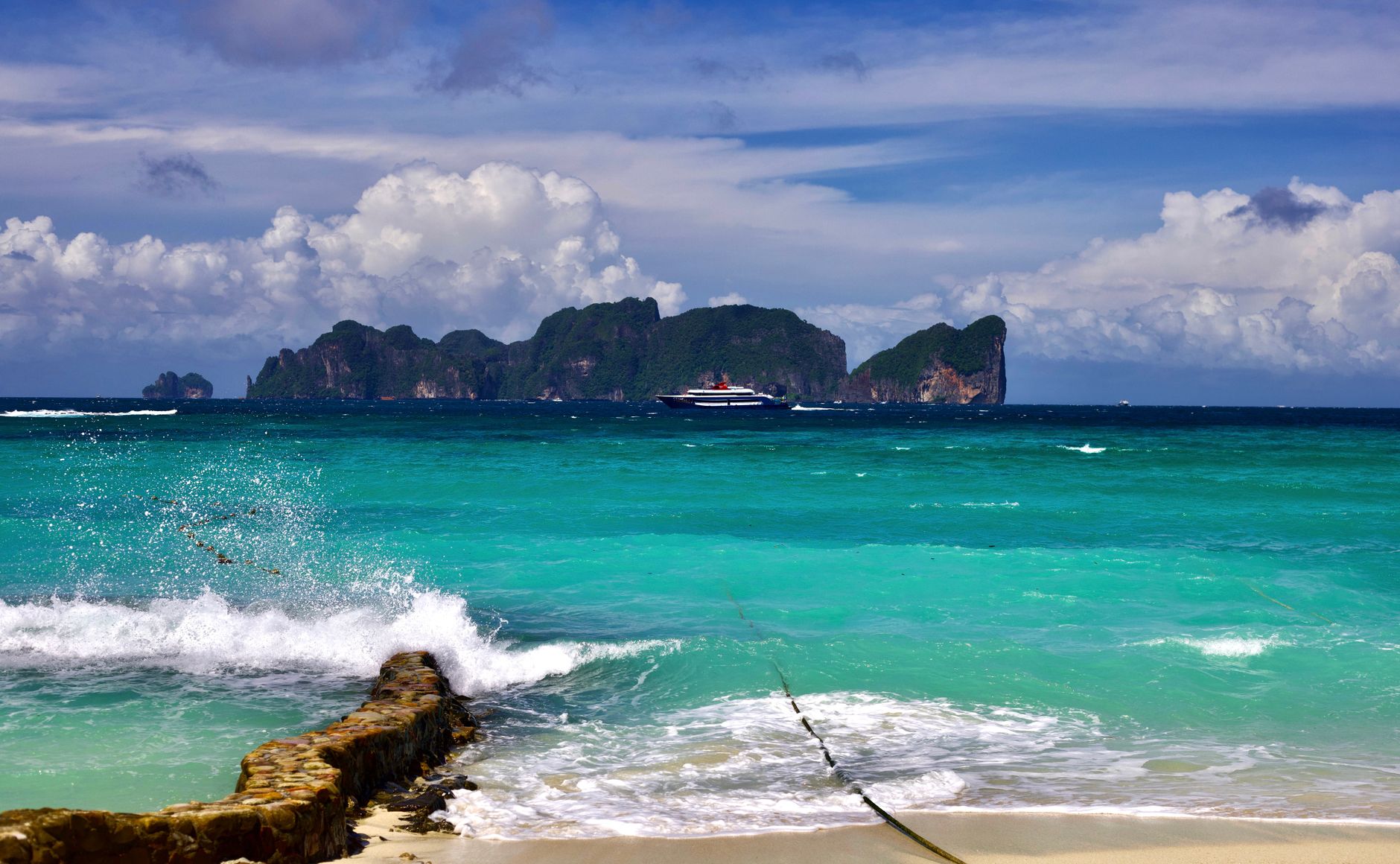
Bahamas is an archipelago nation in the western Atlantic Ocean made up of hundreds of islands and cays, known for turquoise shallow water, white and pink sand beaches, and a laid-back island pace that draws sun seekers, cruisers, and divers from across North America. It sits close enough to the Canadian east coast and Florida that it works well as a quick escape or as a stop on a longer ocean cruise itinerary. Whether you are drawn by the beaches, the water sports, or simply the chance to unplug for a while, Bahamas offers a simple, sunny kind of appeal that suits many kinds of travellers.
Plan your Bahamas trip with a real travel advisor
Hosted group trips, river and ocean cruises, and singles getaways with real travel advisors.
Key facts
| Page type | Country guide |
|---|---|
| More pages under this one | 1 |
Planning a Bahamas Getaway: Why This Island Nation Belongs on Your List
Bahamas is a solid choice if what you want is warm weather, easy beach time, and a slower rhythm without a long flight. The water here tends to be shallow and clear close to shore, which makes it appealing for swimming, snorkelling, and simply floating around without much effort. The islands also have a long-standing connection to boating and sailing culture, so there is plenty to do if you want to get out on the water rather than just beside it.
Beyond the beaches, Bahamas has a relaxed, welcoming atmosphere that makes it comfortable for first-time visitors and repeat travellers alike. English is the official language, which removes one layer of travel stress, and the overall vibe leans toward casual rather than formal. For Canadians in particular, it is a reliable warm-weather option when you want sunshine without an overly long journey.
Getting to Know the Different Islands and Regions
Bahamas is not a single island but a long chain, and different parts of the archipelago have their own character. Some islands are busy with resorts, shopping, and nightlife, while others are quiet, sparsely populated, and built around fishing villages and small guesthouses. Knowing the general shape of the archipelago helps when you are deciding what kind of trip you want.
A Rough Sense of the Main Areas
- The capital area tends to be the busiest part of the country, with the most resorts, restaurants, and organized excursions, making it a natural starting point for many visitors.
- Some of the outer islands, often called the Family Islands or Out Islands, are quieter and more spread out, with a slower pace and fewer crowds.
- Certain cays and smaller islands are known mainly for their beaches and snorkelling rather than for towns or nightlife, and are often visited as day trips rather than as a base.
- A few islands lean toward a more upscale, resort-driven style of tourism, while others keep things simple and unpolished in the best sense.
If your idea of a good trip is swimming, lounging, and the occasional excursion, the busier areas will likely suit you fine. If you would rather disappear into a quieter corner with fewer other visitors around, it is worth looking at the smaller islands once you start planning details.
What to Do Once You Arrive
The beaches are the obvious headline attraction in Bahamas, and for good reason. Many of them have soft, pale sand and water that shifts through shades of blue and green depending on the depth and the light. Some beaches are famous for a pink tint caused by local coral and shell deposits, which makes for a memorable stretch of coastline even if you only see it once.
Beyond simply lying on the sand, Bahamas is a strong destination for water-based activity:
- Snorkelling and diving around coral reefs and shipwreck sites, suited to both beginners and more experienced divers.
- Sailing, kayaking, and paddleboarding in calm, sheltered bays.
- Sport fishing trips, which have long been a draw for visitors to the islands.
- Boat excursions to swim with marine life in certain well-known spots, or simply to hop between smaller cays for the day.
If you want a change of pace from the water, there are also historic sites, small museums, and local markets in some of the larger settlements, along with casual shopping for island crafts and souvennirs. Many visitors also build in some time for simply doing very little, which is, after all, one of the better reasons to visit in the first place.
Food and Drink Worth Trying
Bahamian food draws heavily on the surrounding sea, with fresh seafood playing a starring role almost everywhere you go. Conch, a type of large sea snail, is something of a local specialty and shows up prepared in a number of different ways, from salads to fritters to soups. Fish is usually simply prepared and fresh, often grilled or fried and served alongside rice, peas, or plantain.
The overall food culture leans casual, with a lot of eating happening at beachside shacks, small family-run spots, and outdoor stalls rather than formal dining rooms, although more polished restaurant options exist in the busier resort areas as well. Tropical fruit, rum-based drinks, and local beer are common accompaniments to a relaxed island meal, and spending a little time at a local market can be a good way to get a feel for everyday life beyond the resort strip.
If you enjoy comparing seaside food cultures from one destination to another, our guides to Mexico and Greece are worth a look, since both share that same emphasis on fresh, simply prepared seafood close to the water.
When to Go, in General Terms
Bahamas has a tropical climate with a clear distinction between a drier, cooler season and a warmer, more humid season with a higher chance of rain and storm activity. Most visitors tend to prefer the drier stretch of the year, when conditions are generally more settled and comfortable for beach time and boat excursions.
The warmer, wetter season can still be a perfectly good time to visit, particularly if you are comfortable with occasional showers and want a quieter, less crowded experience. Whichever season you lean toward, it is worth thinking about your own tolerance for heat, humidity, and the possibility of storm activity before settling on timing, and asking us for general guidance when you are ready to plan.
Getting Around the Islands
Because Bahamas is spread across so many separate islands, getting around usually involves some combination of short flights and boat travel rather than driving long distances by road. Within a single island or a cluster of nearby cays, taxis, rental cars, and scooters are common ways to get around locally, while ferries and small inter-island flights connect the more far-flung parts of the archipelago.
If your plan includes more than one island, it is worth building in some flexibility, since inter-island travel can be slower and less predictable than a straightforward road trip. Many visitors choose to base themselves in one area and take day trips from there rather than trying to cover too much ground in a single visit.
Who This Destination Suits
Bahamas tends to appeal to a wide range of travellers, which is part of its charm. It works well for:
- Couples and singles looking for a relaxed, beach-focused getaway with an easy, low-key atmosphere.
- Groups of friends who want a shared base for beach days, boat trips, and casual dining.
- Anyone who enjoys being on or near the water, whether that means diving, sailing, or simply floating in a calm bay.
- Travellers who want a tropical escape without an especially long flight from eastern Canada.
It may be less of a fit for travellers who are primarily looking for deep cultural immersion, mountain scenery, or an especially budget-conscious trip, since resort-area pricing in parts of the islands can run on the higher side. If those are your priorities, our Portugal guide might be a more natural starting point.
How a Hosted Group Trip Here Typically Works
Hosted group trips to warm-weather destinations like Bahamas generally bring together a small group of like-minded travellers, often singles or couples, with a host who helps coordinate the logistics and keep things running smoothly. The appeal is in sharing the experience with others while still having the flexibility to break off and explore on your own when you feel like it.
A typical hosted trip structure includes a mix of planned group activities, such as a welcome gathering or a shared excursion, alongside plenty of unstructured time for beach days, optional add-on activities, and simply relaxing at your own pace. Group trips can also make certain logistics easier, from airport transfers to booking excursions as a group rather than individually.
We do not currently have a specific Bahamas package listed on our site, but we can help you plan a group trip there as part of a broader warm-weather getaway. If this destination has caught your interest, take a look at our full range of trips and packages or reach out through our contact form to start the conversation about what a Bahamas trip could look like for your group.
Frequently asked questions about Bahamas
What is the Bahamas known for?
The Bahamas is known for turquoise shallow water, white and pink sand beaches, and a relaxed island pace. It also has a long-standing connection to boating, sailing, snorkelling, and sport fishing.
What is the best time to visit the Bahamas?
Most visitors prefer the drier, cooler season, when conditions tend to be more settled for beach time and boat excursions. The warmer, wetter season can still suit travellers who want fewer crowds and do not mind occasional showers.
Is the Bahamas good for a first-time visitor?
Yes, the Bahamas suits first-time visitors well since English is the official language and the atmosphere is casual and welcoming. The capital area is often a natural starting point thanks to its resorts, restaurants, and organized excursions.
How do you get around the Bahamas?
Getting around usually involves a mix of short flights and boat travel between islands, along with taxis, rental cars, or scooters locally. Many visitors base themselves in one area and take day trips rather than covering many islands in one visit.
What food should you try in the Bahamas?
Bahamian food centers on fresh seafood, with conch as a well-known local specialty served in salads, fritters, and soups. Fish is usually simply grilled or fried and served with rice, peas, or plantain.
Can I book a Bahamas package with your agency?
We do not currently have a specific Bahamas package listed on our site, but we can help you plan a group trip there. Reach out through our contact form to start the conversation.
Thinking about Bahamas?
Tell us who is travelling and roughly when, and our team will help you work out the right trip.
Prefer another way to reach us?
Related guides
- DestinationNassauNassau is the capital of the Bahamas, a harbour city known for its turquoise water, colonial-era streets, and easy access to nearby cays and beaches.
- DestinationMediterraneanMediterranean is the sea and the surrounding coastline that stretches across southern Europe, North Africa, and the eastern shores near the Middle East, taki...
- DestinationEgyptEgypt is a country in northeastern Africa, home to the Nile River, the ancient pyramids of Giza, and a long stretch of coastline along the Red Sea and Medite...
- DestinationTurkeyTurkey is a transcontinental country that bridges Europe and Asia, known for its layered history, varied coastline, and cities where ancient and modern life...
- DestinationCancunCancun is a resort city known for its warm turquoise water, long stretches of soft sand, and easy access to the wider region.
- DestinationCaribbeanCaribbean is a region of turquoise sea and lush islands stretching from the warm waters near Florida down toward the coast of South America, taking in places...
More guides under Bahamas
Port of call
Planning to go? Read the US travel advisory for The Bahamas.