Destination
Spain: Travel Guide
Spain is a country in southwestern Europe known for its varied landscapes, from sun-soaked Mediterranean coastline to inland plains and green northern hills, along with a long history reflected in its cities, food and festivals. It draws travellers who want a mix of culture, beaches and lively local life, often all within a single visit. For Canadians planning a trip overseas, it tends to offer an easy balance of structure and spontaneity, with plenty packed into even a modest stay.
Plan your Spain trip with a real travel advisor
Hosted group trips, river and ocean cruises, and singles getaways with real travel advisors.
Planning a Trip to Spain
Spain has a pull that is hard to pin down to one thing, which is part of its charm. You might be drawn by the idea of wandering old stone streets in the morning and lying on a beach by afternoon, or by a reputation for food and wine that rewards slow, unhurried meals. Architecture lovers come for the range, from Roman ruins to Moorish palaces to bold modern design. History buffs find centuries layered on top of each other in almost every town. And for many travellers, it is simply the rhythm of the place: later dinners, long walks, siesta-paced afternoons, and evenings that stretch out instead of winding down early.
It also works well as a group destination because it offers something for different interests within the same trip. One person in your group might want art galleries, another might want sea views and seafood, and Spain can usually satisfy both without anyone feeling like they compromised.
Regions and Cities Worth Knowing
Spain is large and regionally distinct, almost like a handful of smaller countries folded into one. Getting a rough sense of the main regions helps when you are picturing what kind of trip you want.
A Few Areas to Picture
- Central Spain, anchored by Madrid, tends to feel grand and urban, with broad boulevards, major museums and a lively nightlife scene.
- Catalonia, home to Barcelona, blends Mediterranean beach culture with striking architecture and a strong regional identity.
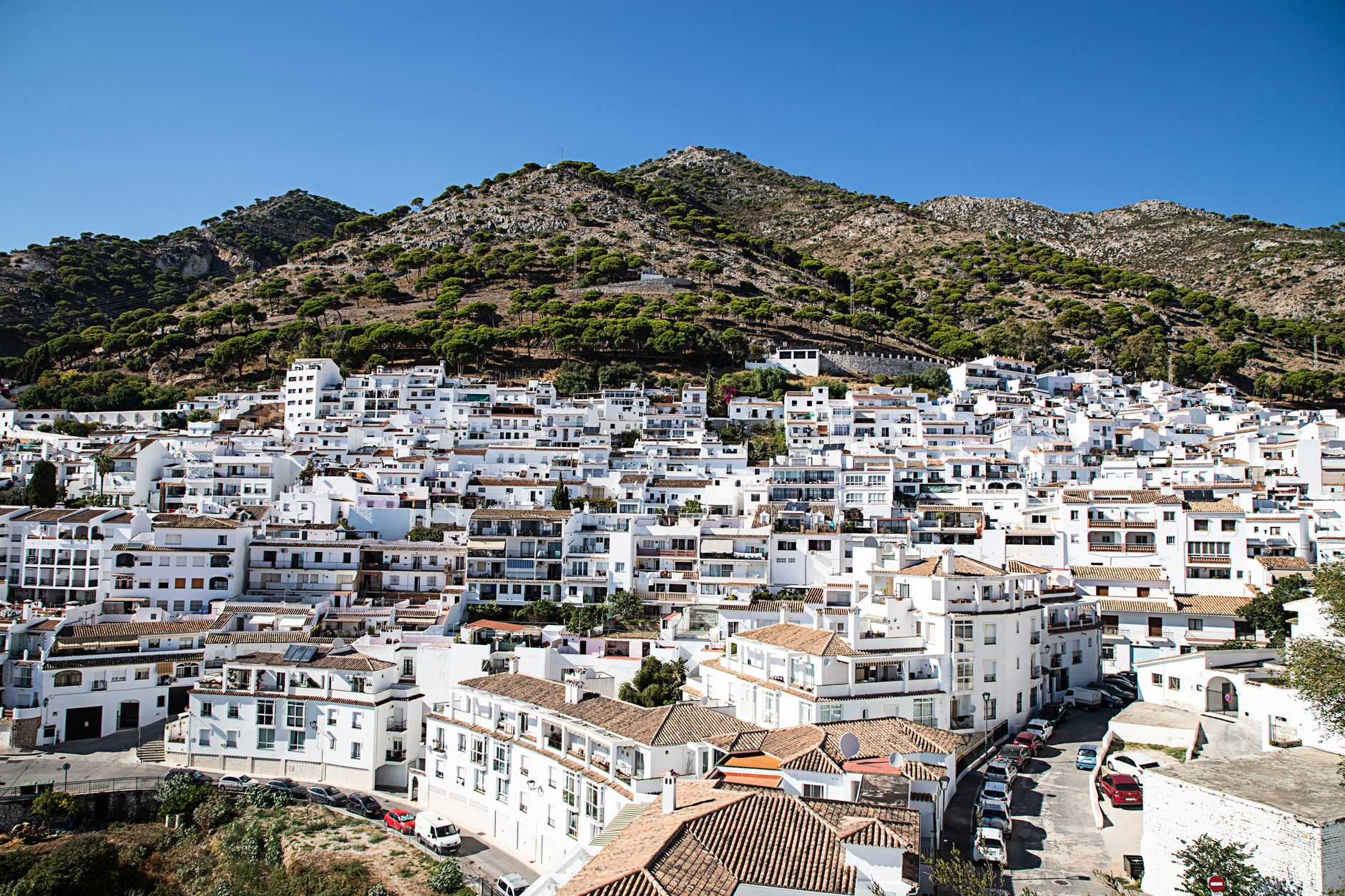
- Andalusia, in the south, is known for its warmer climate, Moorish-influenced architecture, flamenco traditions and whitewashed hill towns.
- The northern coast offers a cooler, greener landscape with a food culture that is often described as some of the most refined in the country.
- The Balearic and Canary Islands add a beach and island holiday feel, each with its own character and pace.
You do not need to choose just one. Many visitors combine a city stay with a coastal stretch, or pair an inland cultural centre with a seaside town for contrast.
Things to See and Experience
Spain rewards travellers who like to mix structured sightseeing with simply wandering. Museums and historic sites are plentiful, but some of the best memories often come from unplanned moments, a quiet square, a local market, a conversation struck up over coffee.
Typical experiences travellers look forward to include:
- Wandering old towns and historic quarters, where architecture spans many centuries in a single walk
- Visiting cathedrals, palaces and fortresses that reflect a long and layered history
- Exploring art museums and galleries, particularly in the larger cities
- Spending an afternoon at the beach or along a scenic coastal path
- Taking in a flamenco performance or other regional cultural tradition
- Shopping at local markets for produce, cured meats, cheeses and handmade goods
Outdoor travellers are not left out either. Inland Spain has hiking trails through dramatic hill country, while the coasts offer everything from quiet coves to more active resort towns.
Eating and Drinking Your Way Through Spain
Food is one of the main reasons people fall in love with Spain, and the experience varies a great deal from region to region. The idea of small shared plates, often known as tapas, is a good entry point for first-time visitors, letting a table try several dishes instead of committing to just one.
Seafood is central along the coasts, while inland regions lean more on cured meats, hearty stews and rich cheeses. Rice dishes, often associated with the eastern coast, are a popular order for groups willing to share. Wine culture runs deep throughout the country, with many regions producing distinct styles worth sampling on their own terms rather than comparing to anywhere else.
Meal timing is part of the experience too. Lunches can run long and relaxed, and dinner tends to happen later in the evening than most Canadians are used to. Building a little flexibility into your schedule, rather than rushing from sight to sight, tends to make the food side of a Spain trip far more enjoyable.
Best Time to Visit, Season by Season
Spain can be visited comfortably across most of the year, and the right season really depends on what kind of trip you want.
- Spring tends to bring mild temperatures and blooming landscapes, making it a favourite time for walking tours and city visits without heavy crowds.
- Summer is peak beach season, warm and lively, especially along the coasts and islands, though inland cities can feel quite hot.
- Autumn often mirrors spring with pleasant temperatures and fewer crowds, along with harvest season in many wine regions.
- Winter is quieter and cooler, particularly inland and in the north, but can still suit travellers interested in cities, museums and a slower pace, with southern coastal areas staying milder.
If you are hoping to combine beach time with sightseeing, shoulder seasons often give you the best of both without extreme heat or packed resort towns.
Getting Around Once You Arrive
Spain has a well-developed transportation network, which makes it manageable for travellers who want to see more than one region. High-speed trains connect many major cities quickly and comfortably, making city-to-city travel straightforward without needing to drive. Regional trains and buses fill in the gaps for smaller towns, while city centres themselves are generally very walkable, especially the historic cores.
If your plans include smaller villages or rural countryside, a rental car can open up more flexibility, though it is not essential for a trip focused on major cities and coastal towns. For groups, having transport pre-arranged tends to remove a lot of the guesswork, letting everyone focus on enjoying the destination rather than logistics.
Who Tends to Love a Trip to Spain
Spain suits a wide range of travellers, which is part of why it remains such a popular destination for groups with different interests.
- Food and wine lovers who want variety, from tapas bars to long regional lunches
- History and architecture fans drawn to centuries of layered influence
- Beach lovers who also want culture and cities within reach
- Singles and solo travellers looking for a sociable destination with plenty of shared tables and public life
- Groups of friends or family who want built-in flexibility, since cities, beaches and countryside are all reachable within the same general region
It tends to be less suited to travellers who want total isolation or an untouched wilderness experience. If that is more your pace, destinations like Iceland or Alaska might be a better fit.
How a Hosted Group Trip Works
A hosted group trip to Spain generally brings structure to a destination that can otherwise feel overwhelming to plan solo, given how much ground there is to cover and how many regions compete for attention. Typically, a host or tour manager helps coordinate the overall flow of the trip, points out worthwhile stops, and takes care of the logistics that can eat up time and energy when travelling independently, things like transport between cities, group dining reservations and local guidance.
Travelling as part of a group also tends to make solo travellers feel more comfortable, since there is a built-in social element without the pressure of planning every detail alone. At the same time, most hosted trips still leave room for personal time, so you can explore on your own schedule during parts of the day.
While we do not currently have a specific Spain package listed, we can help you plan a group trip there, tailored to the interests of your travel companions, whether that is food, history, beaches or a bit of everything. When you are ready to talk through ideas, reach out through our contact page and we can start shaping a trip around what your group wants most.
Frequently asked questions about Spain
What is the best time to visit Spain?
Spring and autumn tend to offer mild weather and fewer crowds, making them favourites for sightseeing and walking tours. Summer is peak beach season along the coasts, while winter is quieter and suits travellers focused on cities and museums.
What kind of food should I expect in Spain?
Spain is known for tapas, small shared plates that let a table sample several dishes at once. Seafood is common along the coasts, while inland regions favour cured meats, stews and cheeses, with rice dishes popular on the eastern coast.
Is Spain a good destination for a group trip?
Yes, Spain works well for groups because it offers culture, food, beaches and history within easy reach of each other. Different travellers in the same group can usually find something that suits their interests without feeling like they compromised.
How easy is it to get around Spain?
Spain has a well-developed transportation network, with high-speed trains linking major cities and walkable historic centres. Regional trains and buses cover smaller towns, and a rental car can help if your plans include rural villages or countryside.
Thinking about Spain?
Tell us who is travelling and roughly when, and our team will help you work out the right trip.
Prefer another way to reach us?
Related guides
- DestinationNassauNassau is the capital of the Bahamas, a harbour city known for its turquoise water, colonial-era streets, and easy access to nearby cays and beaches.
- DestinationMediterraneanMediterranean is the sea and the surrounding coastline that stretches across southern Europe, North Africa, and the eastern shores near the Middle East, taki...
- DestinationCaribbeanCaribbean is a region of turquoise sea and lush islands stretching from the warm waters near Florida down toward the coast of South America, taking in places...
- DestinationEgyptEgypt is a country in northeastern Africa, home to the Nile River, the ancient pyramids of Giza, and a long stretch of coastline along the Red Sea and Medite...
- DestinationTahitiTahiti is an island of volcanic peaks and coral atolls, known for its turquoise lagoons, dramatic green mountains, and laid-back island culture.
- DestinationTurkeyTurkey is a transcontinental country that bridges Europe and Asia, known for its layered history, varied coastline, and cities where ancient and modern life...
Planning to go? Read the US travel advisory for Spain.